By: Marc McMahon
Let’s stop playing nice for a second and talk about the elephant in the basement- meetings.
If you’ve been swimming in the recovery world for more than twenty minutes, you already know exactly what the “perfect” recovery story is supposed to look like. It’s shiny. It’s packaged neatly with a bow. It starts with a dramatic, rock-bottom baseline, moves swiftly through a cinematic moment of surrender, and lands gracefully into a life of pristine, uninterrupted abstinence where the worst vice left is drinking too much bad coffee and talking about your feelings.
We love those stories. Society loves those stories because they are safe, predictable, and clean. They make great speaker tapes, and they make the outside world feel comfortable because it means the “problem” has been solved, tucked away neatly into a box labeled Sober.
But what happens when your reality doesn’t fit into that box? What happens when you aren’t fully destroying yourself anymore, but you aren’t standing on a mountaintop holding a glowing token either?
What happens when you find yourself living in the gray area?
For decades, the mainstream narrative has pounded a rigid rule into our heads: It’s all or nothing. Total compliance or total failure. If you slip, you erase the clock. If you use medication-assisted treatment (MAT) to keep the cravings from ripping your mind apart, some purist in a back row will whisper that you’re “just substituting one drug for another.” If you manage to walk away from the chaotic street drugs that were actively trying to put you under a gravestone, but you still smoke a joint at night to quiet the absolute screaming inside your skull, the traditionalists will tell you that you aren’t truly in recovery.
I call bullshit.
When we tell people that the only acceptable outcome is flawless, uninterrupted abstinence, we aren’t setting a standard—we are building a wall. And for a lot of us, that wall is too high to climb on day one, day fifty, or even year ten. When you tell someone that a minor detour or a non-traditional path means they are back at square one, you don’t motivate them to try harder. You breed shame. And shame is the exact fuel that the darkness uses to drag us back under.
The truth is, this all-or-nothing mindset is actively leaving people stranded in the space between recovery and death. It tells them that if they can’t be perfect, they might as well not try at all. But when the stakes are literally life and death, perfection is a luxury we cannot afford.
If you woke up today and chose to use less than you did yesterday, that is harm reduction—and that is a win. If you are utilizing Suboxone or Methadone to keep yourself stable, employed, and connected to your kids, you are in recovery—period. If you are navigating a non-linear path where you are stumbling but still moving away from the absolute edge of the cliff, you are fighting for your life, and nobody has the right to look down on your armor just because it’s dented and covered in mud.
We need to radically change how we measure success in this game.
Harm reduction isn’t a cop-out. It isn’t “managed addiction” or a lazy compromise. It is a fierce, practical acknowledgement that human beings are complex, deeply wounded creatures who don’t heal in straight lines. It’s an understanding that keeping someone breathing today gives them a shot at a better tomorrow. You can’t find total sobriety if you’re dead.
The purists want to argue about semantics and definitions. They want to argue about whether you’ve earned the right to call yourself “clean.” But out here on the bricks, where the fentanyl is unforgiving, and the system is largely silent, we don’t have time for academic debates. We need what works. We need what keeps the heart beating.
It’s an exhausting way to live, trying to pass yourself off as a “shiny recovery person” when your internal reality is still a battlefield. A lot of people hide their gray-area choices because they dread the judgment. They don’t talk about their mental health struggles, their use of cannabis, or their reliance on prescription support because they don’t want to be told they’re doing it wrong.
But when we hide our reality to fit someone else’s template, we create a dangerous split inside ourselves. We start carrying the secret belief that we are frauds.
Let’s bust that wide open. Your recovery doesn’t belong to a committee. It doesn’t belong to a sponsor, a counselor, or a set of rules written a century ago. It belongs to you. If your current structure is keeping you alive, keeping you safe, and allowing you to grow even a fraction of an inch at a time, then it is valid.
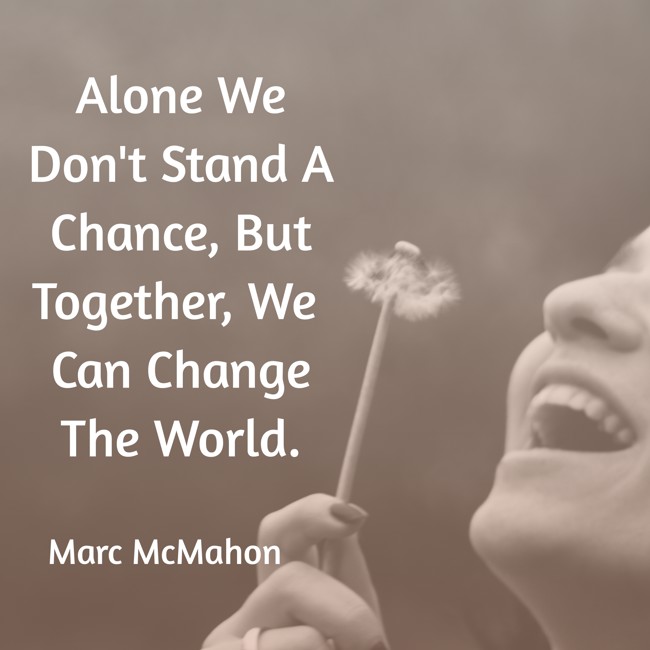
The tagline of this entire movement is that alone we don’t stand a chance, but together, we can change the world. But “together” has to mean all of us. Not just the ones who have it completely figured out. It has to include the half-broken, the struggling, the compromised, and the people who are currently white-knuckling it through the gray zones of their own existence.
If we want to build a community that actually saves lives, we have to stop demanding perfection at the door. We have to create a space where a person can say, “I’m not doing this perfectly, but I’m doing it better than I was,” and hear a chorus of voices respond, “Good. Keep going.”
The next time you feel that heavy weight of judgment—whether it’s coming from an outside voice or the critic sitting inside your own mind—remind yourself of the real goal. The goal isn’t to win a gold medal in pristine living. The goal is survival. The goal is progress. The goal is to refuse to let the darkness have the final say, even if you have to fight it off with an ugly, messy, unconventional step.
Embrace the gray area. It’s not a sign of failure; it’s a sign that you are still in the arena, still swinging, and still refusing to give up the fight.
About the Author: Marc McMahon. Once, a six-month-old with a gun in his mouth. Now the man who walks back into the darkest basements carrying a light most refuse to admit exists. He turns pain into wisdom, rage into rescue, and terror into testimony, proving that light and shadow can not only coexist but become fiercely productive together.
When you read his words, you don’t just read a story; you feel a hand reach through the page, grab yours in the dark, and pull you toward the open door.
A true survivor who writes so the rest of us know we never have to stay trapped again.


Leave a Reply