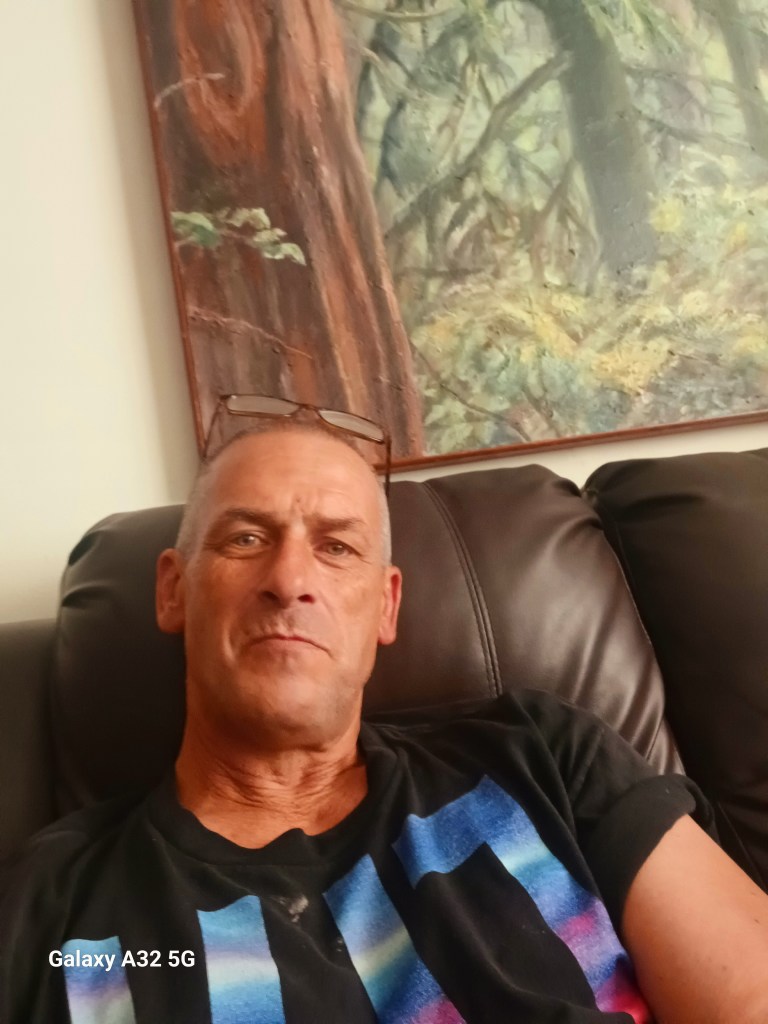
By: Marc McMahon
If you’re new here, welcome. Pull up a chair in the mess. This space isn’t about perfection, purity, or pretending you’ve got your shit together while everyone else is still bleeding. It’s not about cramming yourself into someone else’s shiny definition of “recovery,” the one where you wake up one day, halo intact, never craving again, reciting serenity prayers like a robot. Nah. It’s about something simpler and harder: building a life that hurts less than it used to. Making choices, even tiny, ugly ones that nudge you forward instead of dragging you back into the same hole. And figuring out how to treat yourself like someone who’s actually worth keeping alive, day after damn day.
I don’t write from a pedestal. Never have. I don’t have it all figured out, and I’m not selling the lie that I do. I write from the middle, that messy, human, contradictory spot where most of us actually live. The place where you still wake up some mornings hating the mirror, where old habits whisper louder than the good intentions, where you slip and hate yourself for it then get up anyway because what else is there?
Plenty of people would look at my story and say I’m not “in recovery” at all. I’ve still got shadows trailing me, coping mechanisms that don’t fit neatly on a 12-step pamphlet, days where harm reduction looks a hell of a lot more realistic than total abstinence. That’s fine. Labels never saved me. What did? Practical shit: Harm reduction, brutal honesty, and the slow, stubborn grind of improving my quality of life one small, unglamorous choice at a time.
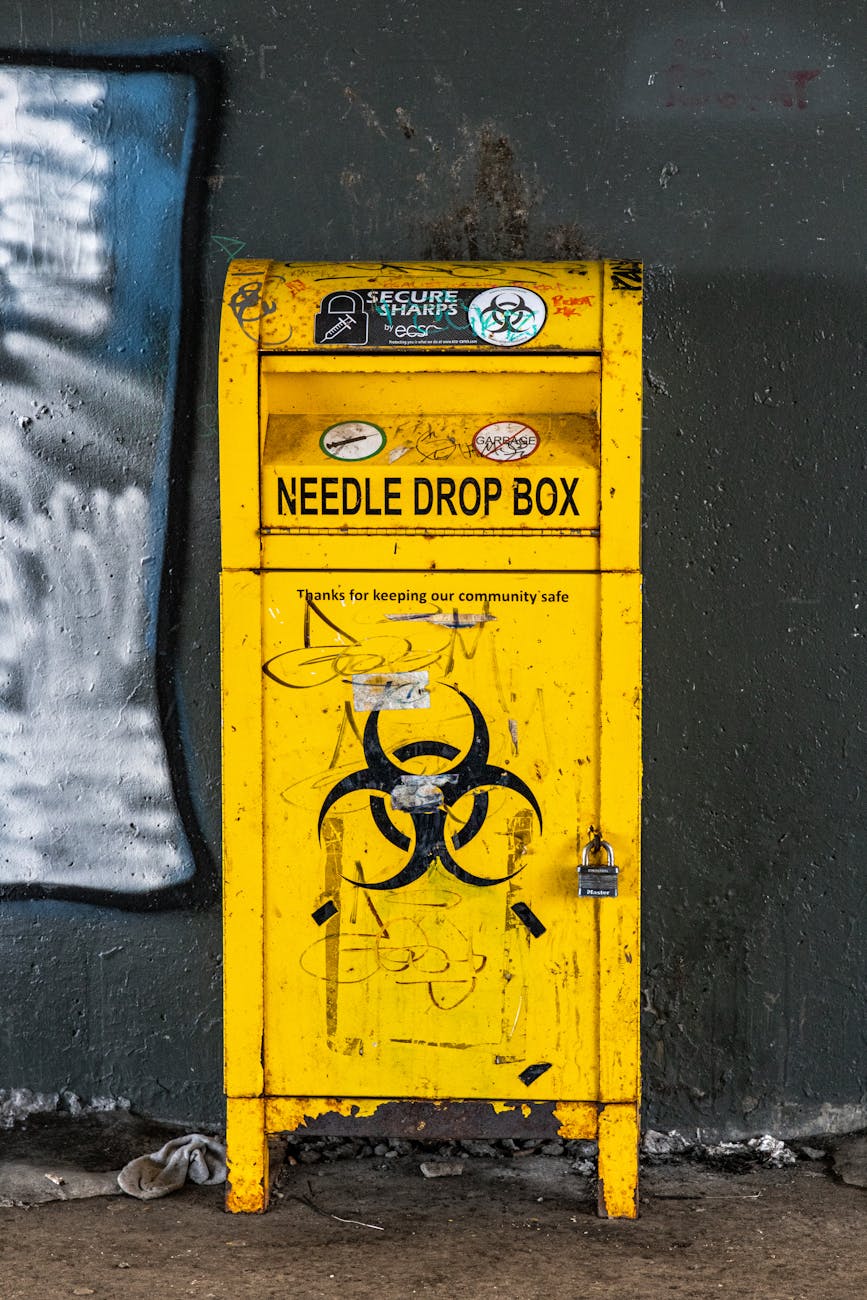
Harm reduction isn’t sexy. It doesn’t promise a fairy-tale ending where you’re “cured.” It just says, meet yourself where you’re at. Accept that whatever your poison, it’s not new, it is part of the world, has been forever, and probably always will be. Instead of condemning or ignoring it, focus on reducing the damage. Any positive change counts. A day with fewer drinks, cleaner needles, one less overdose scare, swapping a destructive habit for a less lethal one that’s progress. Not perfection. Progress.
The mainstream narrative? It sells the fantasy. Total abstinence or you’re failing. Get sober, stay sober, or you’re weak/broken/lost. But do the math, see if it adds up. Stats show relapse rates are sky-high in abstinence-only programs (50-90% depending on who’s counting). People drop out, feel shame, and many go darker. Meanwhile, harm reduction approaches with needle exchanges, safer use education, and things like controlled drinking goals. These things not at all accepted by mainstream recovery save lives, cut overdoses, and get folks into doors they’d never walk through otherwise. It’s not anti-sobriety it’s pro-human. Sobriety can be one path. It’s not the only one. And forcing everyone down the same road?
That’s not healing, that’s control dressed up as help.
I’ve lived on both sides. Chased the “perfect recovery” dream for 20 years, white-knuckled it, shamed myself for every crack, and relapsed harder because the pressure crushed me. Felt like a fraud when I couldn’t stay spotless. Then I flipped it. Started asking, “What actually makes my life suck less right now?” Small stuff. Drinking water instead of blackout-level booze some nights. Reaching out before isolating. Setting boundaries instead of exploding. Those boring, invisible decisions, the ones no one applauds on Instagram, they stack up. They build momentum. They change the trajectory without demanding you erase your past overnight.
The real work happens quietly anyway. In the moments when no one’s watching: Choosing to eat something instead of starving the pain. Walking away from a trigger instead of diving in. Admitting “I’m struggling” without the self-hate follow-up. The world won’t throw parades for those wins. But they matter. They compound. They turn “barely surviving” into “actually livable.”
If you’re still carrying old habits, still in the gray areas, still not ready (or willing) to give everything up, that’s okay. You can heal in the gray. You can grow without a finish line. You can build a better life even if the brochure version says you’re doing it “wrong.”
Take what helps from this space. Leave what doesn’t. There’s no test to pass. No purity score. No gatekeeper deciding if you’re “recovered enough.” Just a long, uneven walk toward becoming someone you no longer abandon when things get hard.
I’ll keep showing up the same way I always have, honest, imperfect, skeptical of easy answers, and committed to the small things that make life a little more bearable. One quiet, stubborn step at a time.
If any of this lands, cool. If it doesn’t, that’s cool too. Either way, you’re not alone anymore. I love you!
About the Author: Marc McMahon. Once, a six-month-old with a gun in his mouth. Now the man who walks back into the darkest basements carrying a light most refuse to admit exists. He turns pain into wisdom, rage into rescue, and terror into testimony, proving that light and shadow can not only coexist but become fiercely productive together. When you read his words, you don’t just read a story; you feel a hand reach through the page, grab yours in the dark, and pull you toward the open door.
A true survivor who writes so the rest of us know we never have to stay trapped again.


Leave a Reply